Parents often ask what a two-year-old actually learns in a playgroup. The honest answer is: almost everything that matters later.
The question comes up at almost every admission enquiry, usually politely: what does my child actually learn here, other than playing?
It is a fair question, and the answer is that the playing is the learning. When a two-year-old carries a bucket of sand from one end of the play area to the other, they are working out weight, balance and how far they can go before it spills. When they queue for the slide, they are practising the single hardest skill of the year - waiting.
Four kinds of play, every morning
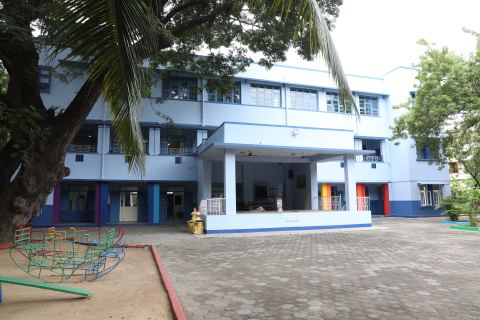
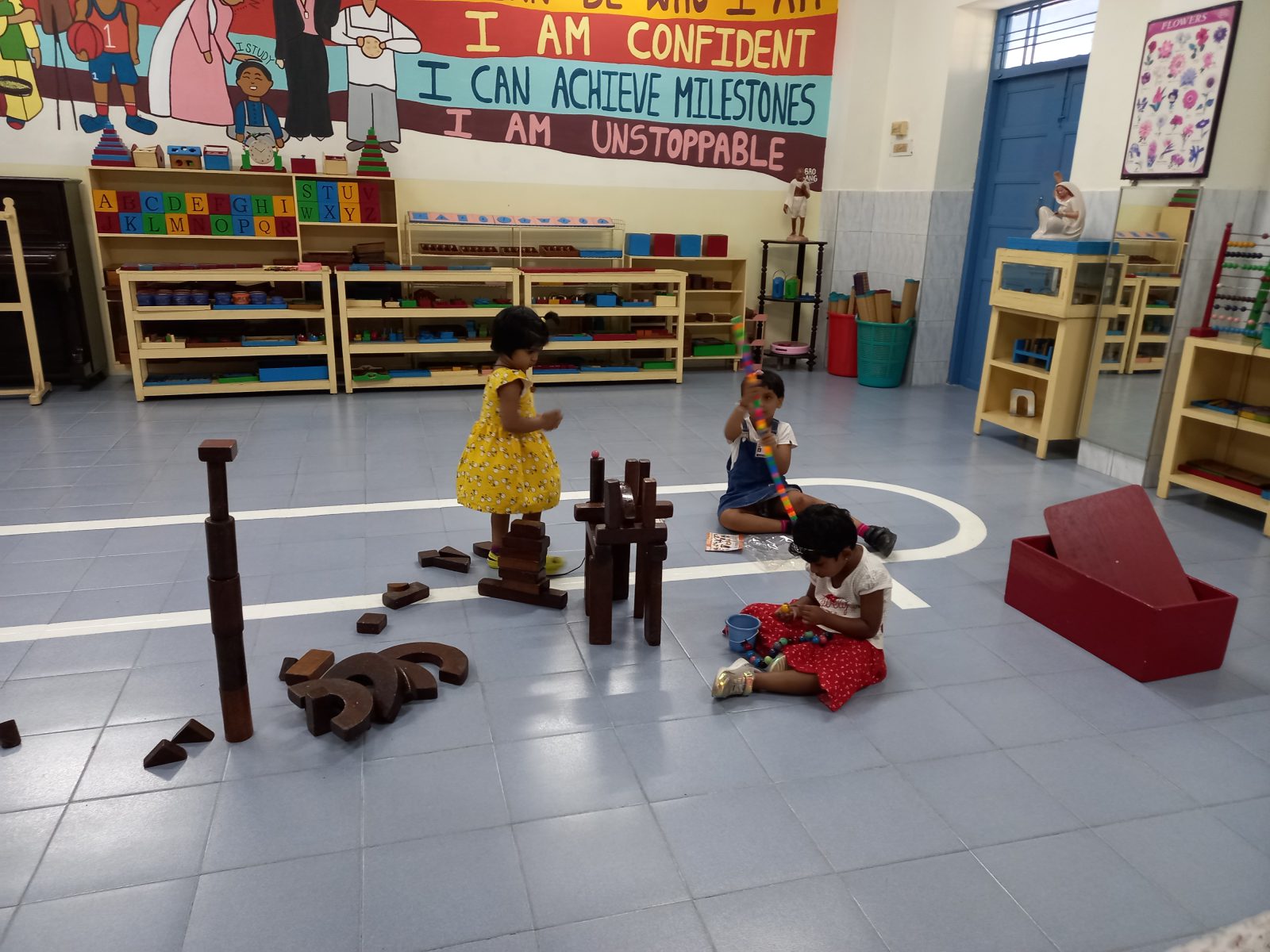
At OLIS Time we build the morning around four kinds of play. There is physical play on the climbers and the open ground, which does more for handwriting three years later than any pencil exercise. There is messy play with water, dough and paint, where children learn that their actions change the world in front of them. There is pretend play in the home corner, which is where language explodes. And there is quiet play - puzzles, sorting trays, books - which is where attention span is built, a few minutes at a time.
What we deliberately do not do?
What we do not do is rush the alphabet. Children who arrive at Pre-KG with strong hands, a large spoken vocabulary and the confidence to try something difficult pick up letters quickly. Children who have been drilled on letters but cannot hold a conversation take much longer to catch up.
If you visit us on a working morning, you will find it noisy and busy and apparently unstructured. Watch for ten minutes and the structure appears.
 article
Blog
photo_library6
article
Blog
photo_library6